The Psychology of In-Game Purchases in Football Titles
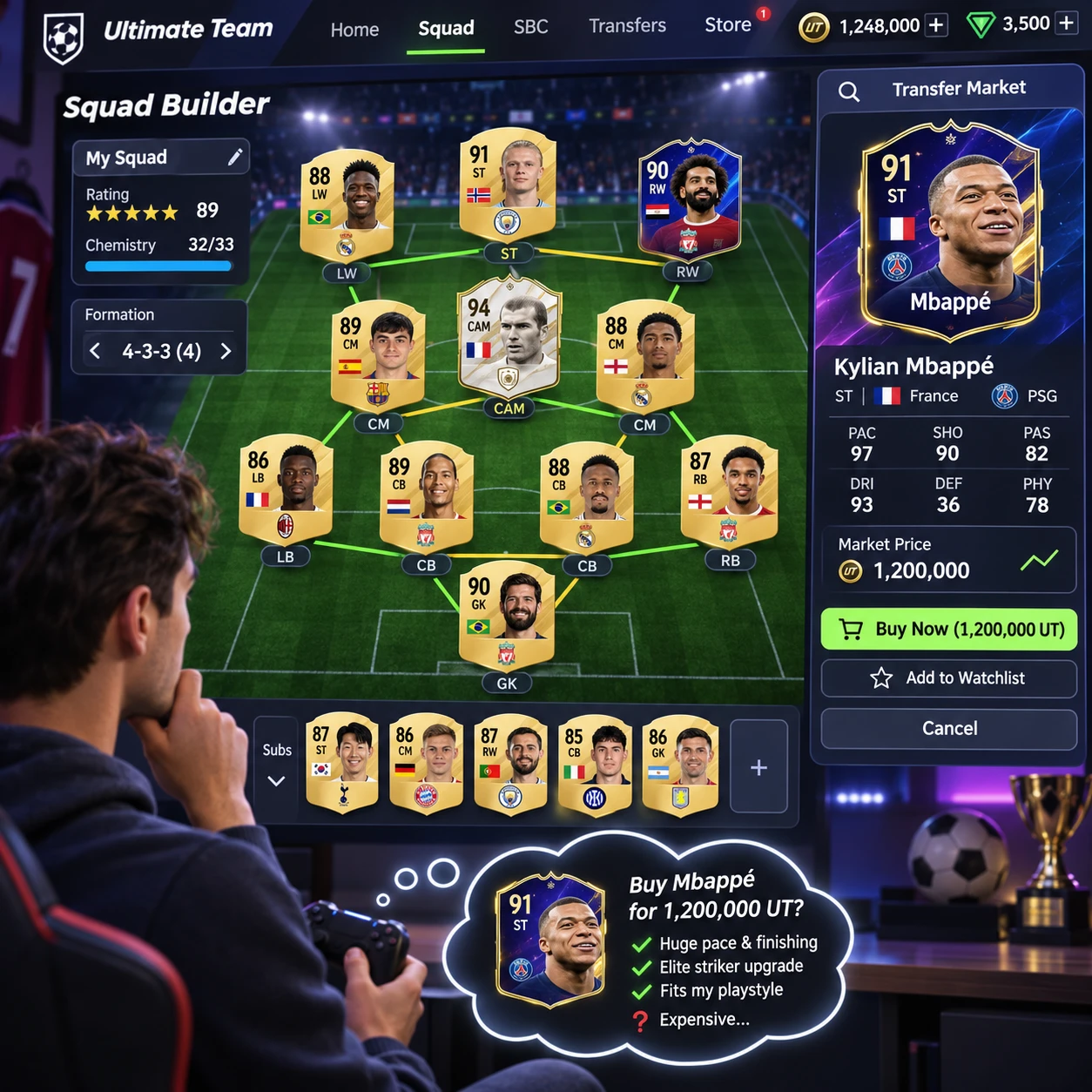
A new striker could transform a squad. A limited-time pack might contain the missing piece. In football video games, in-game purchases often feel closely tied to the sport’s familiar goals: building a team, improving performance, and competing with others.
Those motivations can make spending enjoyable for some players and stressful for others. Understanding how team identity, uncertain rewards, time pressure, and social comparison affect decisions helps players choose what fits their budget and the way they want to play.
Why football games make purchases feel meaningful
Purchases in football games can feel meaningful because they connect spending to a player’s team identity, progression, and competitive ambitions. In Ultimate Team modes, a new player or upgrade appears directly in the squad a person has built and made their own.
Team building gives each reward a football-specific purpose. A faster full-back may address a weakness; a favorite real-world player may make the lineup feel more personal. The purchase is therefore easy to frame as an investment in a club-like project rather than a separate transaction.
Progression adds another layer. Players may work through objectives, matches, and seasonal challenges to improve their team. Buying virtual currency or a pack can seem like a shortcut through that process, especially when a desired player is just out of reach. That shortcut can save time, but it can also reduce the satisfaction of earning upgrades through play.
It helps to separate three motives: identity (who you want in your squad), progression (how quickly you want to improve), and competition (how you want to perform online). A purchase may serve one, several, or none of these goals. Naming the motive makes it easier to decide whether the item is worth its real-world cost.
The appeal of packs, points, and player rewards
Player packs feel exciting because they combine anticipation with an uncertain outcome. You pay or use virtual currency before knowing exactly which players or items you will receive, so the reveal can feel like a high-stakes moment.
That uncertainty matters. A pack might contain a routine squad player or a rare card that changes how you build your team. The possibility of a valuable result can make opening packs entertaining even when the outcome is unpredictable. Points and other virtual currency make the transaction feel less like handing over money, although the currency still has a real cost when purchased.
Rewards also have different kinds of value. A player pack may support team building, while a cosmetic item can let someone express their taste without improving match performance. A particular card may be worth more to a fan who loves that footballer than to someone focused solely on competitive efficiency.
Before buying, check what the offer actually guarantees. Does it promise a specific item, or only a chance at one? Are odds, eligibility rules, or expiry conditions shown? Uncertainty is part of the pack’s appeal, but it is also why the purchase should be treated as entertainment rather than a reliable way to obtain a particular player.
Time pressure, reward loops, and FOMO
Timed offers, daily objectives, and recurring rewards can create a rhythm that encourages players to return and sometimes spend. FOMO, or the fear of missing out, becomes more powerful when an offer appears to expire before a player has time to think it through.
Football titles often organize content around seasons, live events, or rotating objectives. Completing a challenge may earn a pack; opening it can reveal a new target for the squad; a limited-time offer may then appear to help close the gap. This reward loop links play, anticipation, and another decision. It can make routine engagement enjoyable, but repeated prompts may also make spending feel like the natural next step.
A countdown does not make an item more valuable to you. Ask whether you would still want it if the offer stayed available for a month. If the answer is no, urgency may be doing more work than the item itself.
One practical approach is to set a rule before an event begins: decide whether you will spend, how much, and what kind of purchase is acceptable. For example, you might choose a fixed entertainment budget for the month and avoid topping it up when a promo ends. That keeps time-limited content from setting your spending plan for you.
Social comparison and competitive pressure
Social comparison can influence purchases when players see friends, online opponents, streamers, or esports competitors using impressive squads. Those examples can make a stronger team look essential, even when the people involved have different budgets, time, or access to content.
In head-to-head modes, a powerful lineup is visible on the pitch. Losing to a team with high-rated players can prompt the thought that spending is the quickest way to keep up. But match results also depend on tactics, familiarity with controls, decision-making, and practice. A new card may help, yet it cannot guarantee wins or replace those skills.
Streamers and esports players can intensify comparison because their squads are part of public entertainment. Viewers may see pack openings or elite lineups without seeing the full context behind them. A creator’s purchase is not a useful measure of what an ordinary player should spend.
Try comparing your choices with your own goals instead. If you enjoy collecting favorite players, judge a purchase by that enjoyment. If you care about ranked competition, consider whether practice or tactical adjustments could address the problem first. Social pressure is a cue to pause, not proof that you need to buy.
When engagement becomes overspending
Engagement may be becoming overspending when purchases exceed your budget, feel difficult to stop, or happen mainly to recover money spent on disappointing rewards. Enjoying an occasional pack is different from feeling pressured to keep buying.
Warning signs can include:
- Spending more than you planned or using money set aside for essentials.
- Buying again to make up for an unwanted pack or a run of poor results.
- Making purchases quickly because an offer is about to expire.
- Hiding spending from someone you trust or feeling persistent regret afterward.
These signs do not diagnose a problem, and they do not mean every purchase is harmful. They are reasons to review what is happening and add a boundary. Chasing a disappointing result is especially risky because each new purchase remains uncertain; there is no guarantee that another pack will provide the player you wanted.
If spending feels hard to control, use the game’s purchase settings, platform-level controls, or payment-provider tools to add friction. You can also remove saved payment details, take a break from the store, or talk with someone you trust. The aim is to make decisions calmer and more deliberate, not to judge yourself for enjoying football games.
How to make more deliberate purchase decisions
To make deliberate purchases, set a budget, check the offer’s terms, and pause before paying. These steps help separate a genuine entertainment choice from a reaction to urgency, frustration, or comparison.
- Set a limit in real money. Choose an amount you can comfortably spend on the game over a set period, such as a month. Do not count virtual currency as free if you bought it with money.
- Check the item and its terms. Look for the price, contents, expiry date, and any stated odds. If the outcome is random, decide whether you would be satisfied with a less valuable result.
- Pause before confirming. Wait until the next day for non-essential purchases. A short delay can reveal whether you wanted the item or were responding to a countdown or a frustrating match.
- Use spending controls. Set platform purchase limits where available, require a password for purchases, and disable one-click payment if it makes transactions too easy.
- Choose a no-spend route when it suits you. Objectives, matches, and earned rewards may support team progression without buying points. Progress can take longer, and some limited content may remain out of reach, but that can be a fair trade for staying within your budget.
A useful final check is: “Would I still buy this if it did not improve my online results?” If the answer is yes because you value the player, pack-opening experience, or cosmetic item as entertainment, the choice may fit your priorities. If you are buying mainly to escape pressure or frustration, wait.
FAQ
Why do player packs feel so exciting?
Player packs create anticipation because the contents are uncertain and may include a rare or useful card. The reveal can feel exciting, but a pack does not guarantee a specific player unless the offer clearly says so.
How can limited-time offers influence spending?
Expiry timers can create FOMO by making players fear they will lose an opportunity. Check whether the item serves a real goal for your squad, then compare the price with your existing budget rather than the countdown.
Are in-game purchases necessary to enjoy football titles?
No. Many players enjoy matches, squad building, and progression without buying points or packs. Purchases may offer convenience, collection options, or cosmetics, but they are not required for everyone to enjoy the game.
How can players set boundaries for spending?
Choose a real-money limit, use platform spending controls, remove saved payment details if needed, and wait before buying time-limited offers. If you repeatedly exceed your limit, consider taking a break from the store and asking someone you trust for support.