Inside the Life of a Pro FIFA eAthlete: Training, Diet, and Winning Mindset
There's a version of this story where a pro FIFA player is just a kid who never stopped gaming. The reality is considerably more demanding. Today's elite FIFA eAthletes operate with the discipline of professional footballers — structured schedules, nutritional plans, and psychological coaching included. This feature pulls back the curtain on what that life actually looks like, from the first alarm to the final ranked match of the day.
What Does a Pro FIFA eAthlete's Day Actually Look Like?
A typical day for a professional FIFA player is built around intentional blocks of time, not endless free play. Most pros are up by 8–9 AM, with the morning reserved for physical movement, a proper breakfast, and mental preparation before a controller is even touched.
The first practice block usually runs from around 10 AM to 1 PM — focused, structured sessions targeting specific weaknesses or upcoming opponent tendencies. After a break and a meal, a second block picks up in the afternoon, often shifting toward VOD review or tactical study rather than pure gameplay. Evenings might include a lighter ranked session or team scrimmages, depending on the tournament calendar.
What surprises most people is how much time falls outside the game itself. Reviewing match footage, studying opponent patterns in EA Sports FC, and working with analysts can easily consume two to three hours of a pro's day. This is closer to a professional football club's preparation culture than anything resembling casual gaming.
How Many Hours Do the Pros Really Train?
Elite FIFA pros typically log six to ten hours of structured activity per day — but raw hours are only part of the picture. The breakdown matters far more than the total.
Active competitive gameplay accounts for roughly four to six hours. The rest splits between VOD review (watching replays of both their own matches and opponents'), tactical study, and deliberate practice on specific mechanics. Grinding ranked matches mindlessly for eight hours is not how champions are built — it's how burnout happens.
During heavy tournament preparation phases — the weeks leading into events like the FIFAe World Cup or the ePremier League — that volume can spike. But experienced players and their coaching staff know to taper intensity before competition day, just as a sprint athlete would before a race.
The myth that "it's just playing video games" collapses quickly when you look at the structure. This is deliberate practice in the same sense that a midfielder runs set-piece drills: repetitive, intentional, and measurable.
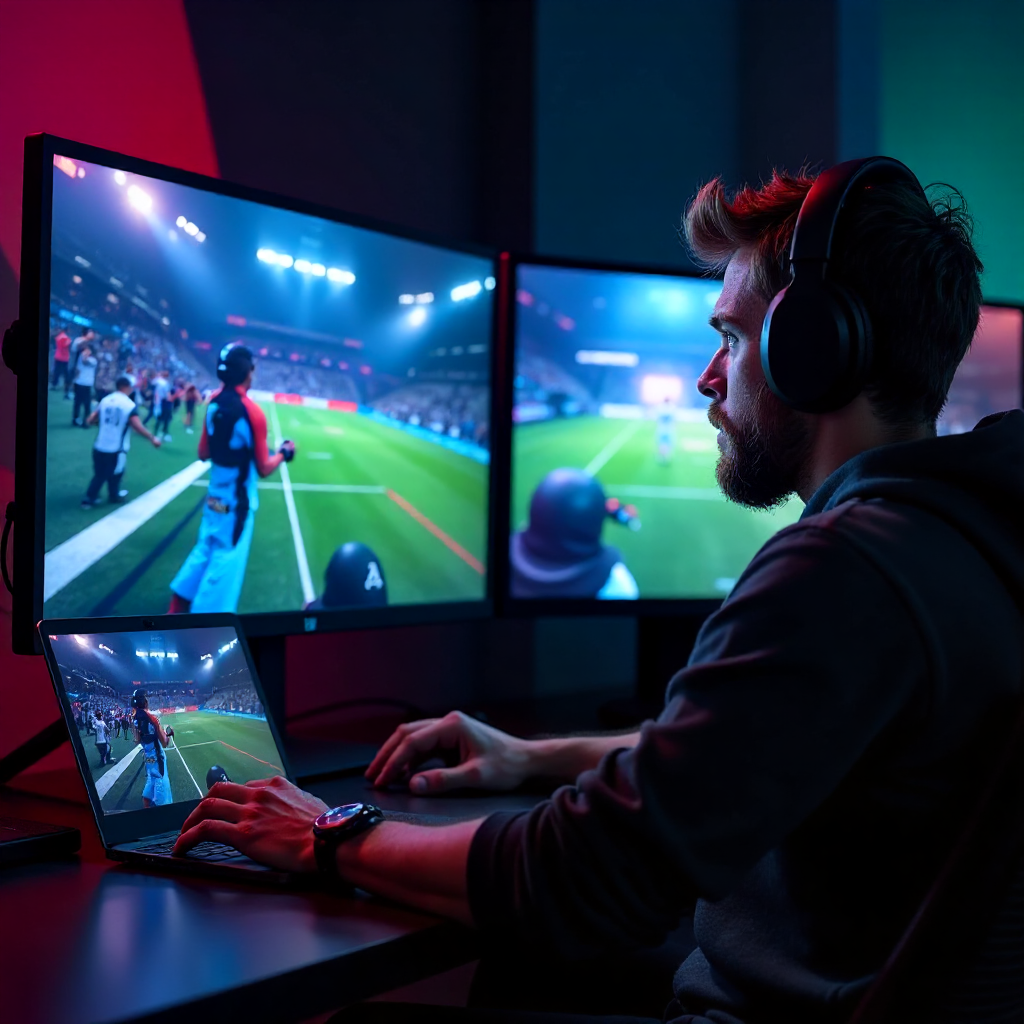
The Physical Side Nobody Talks About — Posture, Hands, and Reaction Time
The physical demands of competitive esports are real, even if they don't involve a pitch. Repetitive strain injuries, particularly in the wrists and forearms, are an occupational hazard that ends careers early if ignored.
Most serious FIFA pros incorporate daily stretching routines for their hands and wrists before and after sessions. Some work with physiotherapists who specialize in esports athletes — a field that has grown significantly alongside the industry. Ergonomics matter too: chair height, monitor distance, and desk setup all affect posture over a six-hour session in ways that compound over months.
Reaction time and hand-eye coordination are the physical metrics pros actually train. Tools like reaction-time apps, aim trainers, and even table tennis have found their way into esports conditioning routines. The average human reaction time sits around 250 milliseconds; elite esports athletes often test significantly below that, and they maintain it through consistent practice rather than assuming it's fixed.
Sleep is where this all comes together. Without adequate rest, reaction time degrades measurably. Most pros treat sleep as a non-negotiable performance variable, not a lifestyle preference.
Diet and Nutrition — What a FIFA Pro Eats to Stay Sharp
Esports nutrition is less exotic than it sounds and more important than most recreational players assume. The goal is sustained cognitive performance across a long session — not a short burst of energy followed by a crash.
The foundation is straightforward: balanced meals with adequate protein, complex carbohydrates, and healthy fats. Where pros differ from the average person is in their attention to meal timing and hydration. Playing a high-stakes match on an empty stomach or after a heavy carb-loaded lunch produces measurably worse focus. Many pros eat lighter before sessions and save larger meals for after.
Hydration is taken seriously. Dehydration of even 1–2% of body weight has been shown to impair cognitive function and reaction time — a fact that applies as much to a FIFA pro as to a marathon runner. Water is the default; excessive caffeine is managed carefully to avoid dependency and sleep disruption.
On supplements: most pros stick to basics — omega-3s, vitamin D (especially in regions with limited sunlight), and occasionally nootropic stacks. Energy drinks are a contentious topic in the community. Some pros use them strategically during long tournament days; many have moved away from them entirely after experiencing the crash cycle firsthand.
Mental Game — Handling Pressure, Tilt, and High-Stakes Moments
The mental side of competitive FIFA is where most talented players stall out. Tilt management — the ability to stay composed after a bad goal or a losing streak — separates players who plateau from those who reach the top.
Tilt is essentially an emotional hijack: frustration narrows focus, degrades decision-making, and creates a feedback loop of poor play. Pros address this through pre-match routines that anchor them to a calm baseline — breathing exercises, short walks, music playlists, or a consistent warm-up sequence. The ritual matters less than the consistency.
Under tournament pressure — the FIFAe World Cup, for instance, where everything is live and the stakes are real — the psychological toolkit gets tested. Many elite players work with sports psychologists, a practice borrowed directly from traditional football. Visualization, controlled breathing under pressure, and post-loss reset protocols are all standard tools at the highest level.
Mental resilience is also built through exposure. The more high-pressure situations a player has navigated, the less novel the stress feels. This is why tournament experience itself is a form of training — you can't fully simulate it in practice.
Hardware, Settings, and the Competitive Edge
Controller preference and hardware setup are the marginal gains of esports — small individually, significant collectively. Most FIFA pros play on a PlayStation DualSense or an Xbox Elite controller, with a meaningful split between the two depending on regional preference and personal feel.
Display settings matter more than casual players realize. A monitor with a 1ms response time and a high refresh rate (144Hz or above) reduces input lag in ways that are perceptible at elite reaction speeds. Many pros also dial in controller settings meticulously — button mapping, sensitivity curves, and vibration settings are all customized to individual playstyle.
The honest caveat: hardware upgrades have diminishing returns. A player with poor fundamentals won't be transformed by a better controller. But for someone already operating at a high level, these marginal gains are worth the attention — in the same way a professional footballer cares about boot fit even though it won't make a poor player good.
Advice for Players Who Want to Go Pro
The path to becoming a professional FIFA eAthlete is real, but it requires an honest accounting of what the grind actually involves. The first step is consistent performance in ranked and qualifier tournaments — visibility through results, not through content creation or social media presence.
Beyond raw skill, the players who make it tend to share a few traits: they review their own gameplay critically, they seek out better competition rather than farming easier opponents, and they treat losses as data rather than verdicts. The coaching and analyst support available at the pro level is substantial, but players need to arrive already coachable.
Work-life balance in esports is a real challenge. The grind is real, burnout is common, and the career window is shorter than in most traditional sports. The pros who last longest are typically those who build sustainable routines early — protecting sleep, maintaining relationships outside gaming, and finding meaning beyond the leaderboard.
One practical starting point: enter every qualifier you can. The FIFAe World Cup pathway, the ePremier League, and regional EA Sports FC tournaments all have open qualification stages. Results in those environments tell you far more about your competitive ceiling than ranked play ever will.
FAQ
How many hours a day do professional FIFA players practice?
Most pros engage in six to ten hours of structured activity daily, combining active gameplay, VOD review, and tactical preparation. Pure gameplay time is typically four to six hours — the rest is analytical work.
Is esports nutrition really that different from regular healthy eating?
The principles are the same, but the focus is on sustained cognitive performance. Pros pay close attention to meal timing, hydration, and avoiding energy crashes during long sessions — habits that differ more in intentionality than in the food itself.
Can you make a living as a FIFA eAthlete?
Yes, at the highest levels — through tournament prize pools, team salaries, and sponsorships. The number of players earning a full-time living from competitive FIFA alone is relatively small, but the ecosystem around esports continues to grow.
What mental health challenges do pro esports players face?
Burnout, performance anxiety, and social isolation are the most commonly reported issues. The always-online nature of esports blurs the boundary between work and rest in ways that traditional sports don't, making deliberate recovery routines especially important.
What controller do most FIFA pros use?
There's no universal standard, but the PlayStation DualSense and Xbox Elite Series 2 are the most widely used among competitive FIFA players. Personal preference, button mapping flexibility, and familiarity all factor into the choice.