How Live Dealer Casino Games Work: A US Player's Guide to Real-Time Streaming Technology, Fair Play Verification, and Trustworthy Platforms in 2026
I still remember the first time I sat down to play live blackjack from my living room. Couldn't tell the difference between that and sitting at a physical table in Vegas — genuinely couldn't. That moment stuck with me. It's actually what sent me down the rabbit hole of figuring out how this technology works in the first place. So if you're a US player curious about the mechanics behind live dealer games, or you're just trying to work out which platforms deserve your time and money in 2026, this guide breaks it all down for you.
What Are Live Dealer Casino Games?
Live dealer games sit in this odd middle ground between the digital casino floor and the real one. Instead of a random number generator quietly spitting out results behind the scenes, you're watching an actual person shuffle cards, spin a wheel, or deal hands in real time — streamed straight to your device. It's about as close to brick-and-mortar gambling as you can get without leaving your couch. And that's exactly why so many US players have shifted their attention toward these tables over the past couple of years.
RNG Games vs. Live Dealer Games
Traditional online slots and table games run on RNG (random number generator) software to decide outcomes. It's fast. It's efficient. It's been tested to death — but it's missing that human element. Live dealer games flip that script entirely.
A real dealer runs the game from a studio, cameras catch every movement, and that footage gets streamed to you with barely any delay. The randomness still exists — a real shuffle, a real spin — but now you're watching it happen instead of just trusting an algorithm blindly.
The Technology Behind the Stream
What gets me every time I think about it is how much infrastructure sits behind what looks like a plain video feed. There's an entire production pipeline grinding away in the background just to make sure that stream reaches you crisp, fast, and accurate.
Studio Setup and Camera Systems
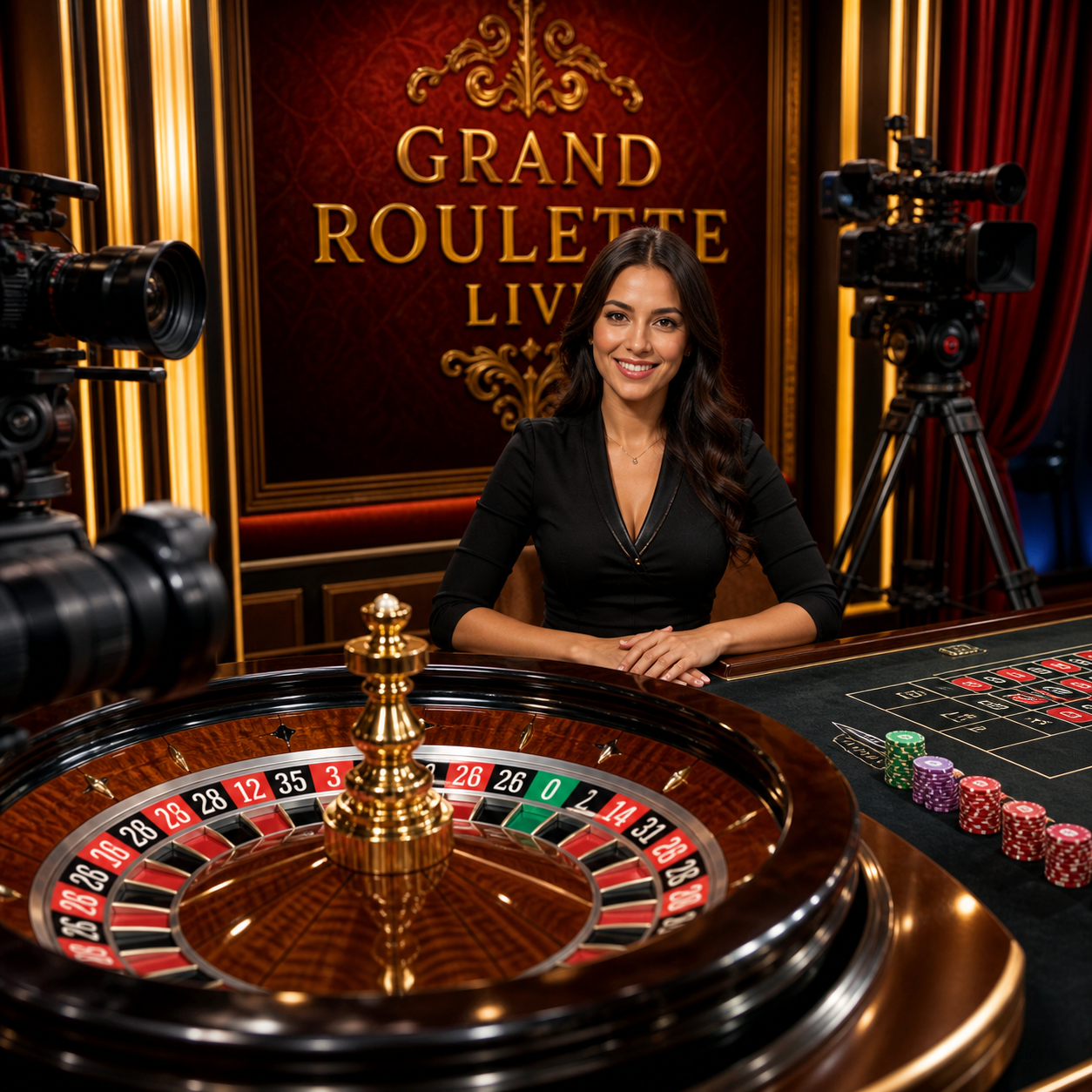
Most live dealer studios run multiple HD cameras positioned at different angles — one locked tight on the cards or wheel, another catching the dealer's face and hands, sometimes a wide shot covering the whole table. Lighting gets controlled down to a science, since glare or shadows can throw off card recognition entirely. These studios are usually purpose-built, soundproofed, and running around the clock to serve players scattered across time zones — US players included, logging in during those prime evening hours.
Optical Character Recognition and Game Control Units
Here's the part that actually surprised me: there's a small device called a Game Control Unit (GCU) tucked right into the table itself. When the dealer draws a card, or the roulette ball finally lands, sensors and optical character recognition (OCR) tech read that physical action instantly and turn it into digital data.
That data populates your screen in real time — the numbers, the odds, the outcome — all synced up to the video feed. It's a clever bridge between analog and digital gambling, honestly. Maybe one of the more underrated pieces of engineering in the whole industry.

How Fair Play Is Verified in Real Time
Naturally, the first question most people ask is: how do I know this isn't rigged? Fair concern. Thankfully, there are real answers to it.
Independent Testing Agencies
Reputable live dealer operators send their games off to third-party testing bodies like eCOGRA and iTech Labs. These organizations audit everything — shuffling algorithms, card recognition accuracy, payout consistency, the works. They also check that encryption standards protecting your personal and financial data meet industry benchmarks.
If a platform can't show certification from one of these agencies? That's a red flag worth taking seriously. No exceptions there.
Choosing a Trustworthy Live Dealer Platform in the US
This is where things get practical. US players need to look at licensing (state-regulated or reputable offshore), payment processing security, the variety of live tables on offer, and — something people underestimate constantly — how professional and consistent the dealers themselves actually are. A sloppy or inattentive dealer can be a quiet sign of a poorly managed operation. Small detail, but it tells you something.
It also helps to widen the lens a bit. Comparing how neighboring markets vet their platforms gives you a useful benchmark to work against. Players curious about how similar due diligence plays out elsewhere can check out a tested roundup of the live casino Canada market, which ranks top real-dealer sites using comparable fairness and technology standards. Seeing how another region approaches the same evaluation criteria only sharpens your own checklist.
Licensing and Regulation Checklist
- Confirm state-level licensing if you're playing on a US-regulated site (New Jersey, Michigan, Pennsylvania, and a handful of others currently offer this)
- For offshore platforms, look for licenses from bodies like the Malta Gaming Authority or Curacao eGaming
- Check for visible certification badges from eCOGRA, iTech Labs, or GLI
- Review the platform's SSL encryption and payment processor reputation
- Read recent player feedback on withdrawal speed and customer support responsiveness
Popular Live Dealer Games and How They Work
Once you get the tech, the games themselves start making a lot more sense.
Live Blackjack, Roulette, and Baccarat
Live blackjack usually gives you a set betting window — often 10-15 seconds — before the dealer starts revealing cards. Roulette works on a similar clock: bets close right before the wheel spins, and the OCR system reads the ball's final position almost instantly.
Baccarat follows a comparable rhythm, with the dealer drawing cards according to strict, pre-set rules that mirror the physical game exactly. Just displayed digitally alongside the live feed, for clarity's sake.
Common Mistakes US Players Make with Live Dealer Games
I've made a couple of these myself, so I'm speaking from experience here, not just theory. A big one is ignoring latency — a laggy connection can cause you to miss betting windows entirely, and it happens more than you'd think. Another is glossing over the wagering requirements attached to live dealer bonuses, which tend to run stricter than what you'd see on slots.
And probably the most common mistake of all: picking a platform based purely on flashy marketing or some oversized welcome bonus without checking licensing first. Flashy doesn't mean legitimate. Sometimes it means the opposite.
The Future of Live Dealer Streaming Technology
Looking ahead into 2026 and beyond, things are genuinely getting interesting. AI-enhanced dealer interaction is starting to roll out, letting dealers respond to player chat more naturally through real-time translation and sentiment tools. VR-integrated tables are gaining traction too, giving players that sense of actually being seated at the table.
And with 5G becoming more widespread, mobile live dealer streaming is smoother than it's ever been — cutting down on the lag issues that used to plague players trying to game on the go.
Conclusion
Understanding how live dealer casino games work isn't just a fun technical deep dive — it genuinely helps you make smarter, safer choices. From the studio cameras and OCR systems powering the stream, to the independent audits keeping things fair, to the licensing checks you should be running before depositing a single dollar — every piece of it matters.
And comparing notes with how other markets, like the live casino Canada scene, evaluate their top platforms only sharpens your own judgment further. Play informed, play safe, and enjoy the ride.