How Gaming Communities Are Shaping Modern Football Fandom

A football conversation might start with a late winner on the pitch, a surprising result in a football video game, or a clip shared during a livestream. Today, fans move between all three. Gaming communities give people new ways to play, watch, debate, and build a sense of belonging around the sport.
These communities do not replace matchday or support for real clubs. They add another layer to football fandom, connecting players and supporters across games, esports events, streaming platforms, and social media.
From playing football games to joining a fan community
Football games bring fans together by giving them a shared activity: playing, comparing teams, and talking about the sport. A casual match between friends can become an ongoing community built around rivalries, tactics, and club loyalties.
For many people, the social side begins before a controller is picked up. Friends choose teams, argue over who gets the strongest side, and set house rules for a tournament. Online, that same energy moves into group chats, gaming servers, and forums where players arrange fixtures or share highlights. Someone might support a club in real life while choosing a different team in-game for a challenge, creating a lively debate about loyalty and play style.
Shared play creates a low-pressure way to connect. A newcomer can join a friendly match without knowing every chant or historical rivalry. Questions about formations, player roles, and club traditions often come naturally as people play. Over time, repeated matches and inside jokes can turn a group of opponents into a community.
There are limits. Online matches can become frustrating when competition gets personal, and not every player wants the same level of seriousness. Communities that offer both casual games and ranked play make room for different kinds of football fans.
Esports brings football fandom into competition
Football esports adds a competitive layer to fandom through organized tournaments, skilled players, and audiences who follow results. Fans can represent a club, compete themselves, or watch virtual football as a sport in its own right.
Virtual competitions create a different relationship with the game. A viewer may follow a professional esports player’s season, study their decisions, and support them through a knockout bracket. Club-backed esports teams can also connect a familiar badge to a new competitive setting, although the virtual result does not change what happens on the real pitch.
For participants, tournaments offer clear ways to get involved: enter a local event, join an online league, or compete with friends in a custom bracket. For spectators, live matches bring tension and conversation. Supporters discuss player choices, key moments, and the contrast between real-world football tactics and the demands of a video game.
Esports expands participation, but it has its own barriers. Competitive events can require reliable internet, suitable hardware, time to practice, and comfort with a high-pressure environment. Organizers and communities can help by sharing rules early, offering beginner brackets, and making schedules accessible. That makes competition easier to enter without suggesting that every fan needs to compete.
Streaming and social platforms keep the conversation going
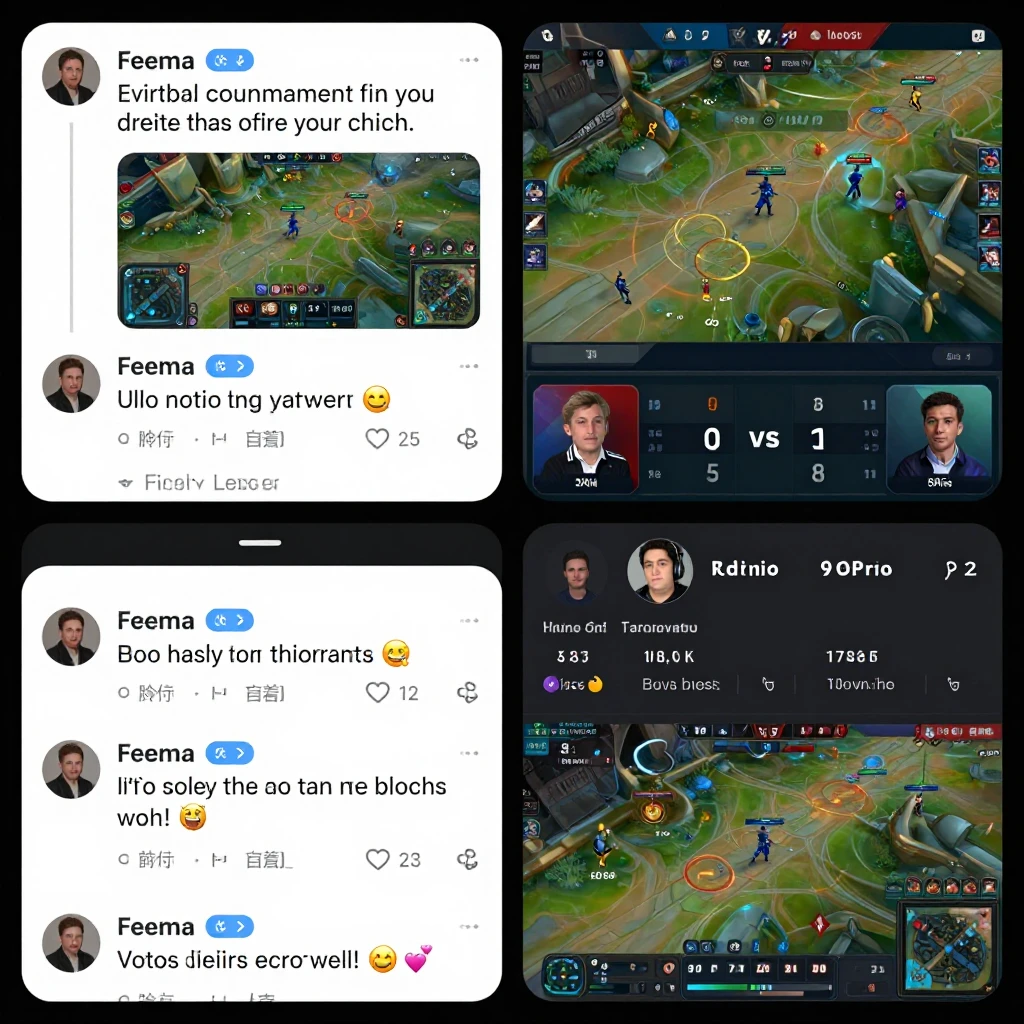
Streaming platforms and social media keep football gaming conversations active before, during, and after a match or tournament. Live gameplay, commentary, clips, and fan replies let people experience the same event together, even when they are watching from different places.
A streamer might explain a tactical choice while playing, react to a viewer’s challenge, or invite chat to predict the next goal. Short clips then travel across social platforms, where fans remix the moment into jokes, analysis, or a debate about a real player’s in-game rating. The conversation often moves between virtual football and current news about clubs and competitions.
These spaces also change who gets to shape the discussion. A fan with a small channel can host a local tournament or build a following around thoughtful commentary, rather than needing access to a broadcast studio. Viewers can contribute questions and perspectives in real time, though the quality of discussion depends on moderation and clear community rules.
Fast sharing is useful, but it can flatten context. A short clip may leave out what happened before the goal, and a heated comment can spread faster than a careful explanation. Fans can improve the conversation by checking the full match or stream, crediting creators, and disagreeing with ideas without targeting people. That balance helps online spaces stay enjoyable rather than exhausting.
Gaming builds new connections to clubs and players
Football games can make clubs, players, and football culture easier to explore by letting fans interact with teams in a virtual setting. A player who discovers a club through a game may then look up its real squad, history, stadium, or supporters.
Team-selection modes and career experiences can prompt questions about a player’s position, a club’s style, or how a squad changes across a season. Younger fans, international supporters, and people with limited access to live matches may find these digital entry points especially approachable. They can learn names and roles through play, then connect that knowledge to real fixtures and football coverage.
That connection has boundaries. A video game simplifies a complex sport, and ratings or virtual team performance should not be treated as a definitive judgment of a real player. Game content can also change between releases and updates. The most useful approach is to treat football games as a starting point for curiosity, then check real-world reporting and club sources for context.
Clubs can use gaming and esports to meet supporters in a different setting, while players may appear in streams, interviews, or promotional events. Such activity works best when it feels connected to the club’s wider culture. A badge on a screen can invite interest, but lasting fan identity usually grows through a mix of stories, relationships, and shared experiences.
Where gaming and traditional fandom meet
Gaming complements traditional football fandom when it adds shared experiences alongside matchday rituals, club support, and real-world football discussion. Fans can play before a fixture, watch the game together, then return online to compare what happened on the pitch with their virtual predictions.
For supporters, the two forms of fandom often overlap naturally. A group might wear club shirts during a local gaming event, discuss a weekend result during an online league, or use a video game to keep football in the conversation during the off-season. These activities can strengthen friendships and give distant fans a regular way to stay connected.
Still, virtual football and real football offer different things. A game gives the player control and immediate feedback; a live match brings uncertainty, atmosphere, and a result no supporter can control. Treating one as a substitute for the other misses what makes each meaningful. Gaming can also take time away from watching or playing the sport, so fans may want to choose activities that fit their interests rather than chase every event.
A useful way to think about the overlap is “play, watch, belong.” Play gives fans an activity, watching offers shared stories and competition, and belonging comes from the people and traditions around both. A community does not need to do all three equally. It simply needs room for members to enjoy football in their own way.
What makes gaming communities welcoming and lasting
Football gaming communities last when people can join easily, understand expectations, and feel safe taking part. Clear rules, respectful interaction, and a mix of skill levels help turn shared interest into a genuine community.
If you are looking for a place to start, try a club supporters’ gaming group, a beginner-friendly tournament, or a moderated community around a football game you already enjoy. Before joining a competition, check its format, schedule, platform requirements, and rules for voice chat. A few practical habits can make participation smoother:
- Introduce yourself simply: say which games you enjoy and whether you prefer casual matches or competition.
- Ask about the format: confirm match length, team rules, and how organizers handle connection problems.
- Respect different experience levels: offer tips when asked, and avoid turning every loss into a personal criticism.
- Use privacy settings: share only the personal information needed to participate, especially in open chat spaces.
- Support good moderation: report harassment and help maintain rules that apply consistently to everyone.
Communities also need to recognize that not all fans have the same time, equipment, or access. A welcoming group offers ways to participate beyond high-level play, such as watching streams, discussing football, or joining social matches. That flexibility gives people more than one route into the community.
Frequently asked questions about football gaming communities
Football gaming communities connect gameplay with discussion, competition, and club culture. The answers below explain how fans can take part and what gaming can add to their relationship with football.
How do football games bring fans together?
Football games give people a common activity and an easy reason to talk. Friends can play local matches, online groups can arrange leagues, and fans can share highlights or discuss teams and tactics. Regular interaction often turns gameplay into lasting social connection.
What role does esports play in football fandom?
Esports lets fans watch or enter organized virtual football competitions. It creates new rivalries and stories to follow, while giving skilled players a way to represent themselves or a club. It complements real football fandom rather than replacing the live sport.
Can gaming communities help new fans learn about football?
Yes. Games can introduce club names, player roles, formations, and competition formats in an interactive way. They simplify parts of the sport, so new fans should use them as a starting point and turn to real matches and reliable football sources for fuller context.
How can fans join football gaming communities?
Start with a moderated group connected to a game, club, local event, or streaming channel you already follow. Read the rules, check the time and equipment requirements, and begin with a casual match or discussion. You can participate as a player or spectator.